12 bingo variations for an activity room

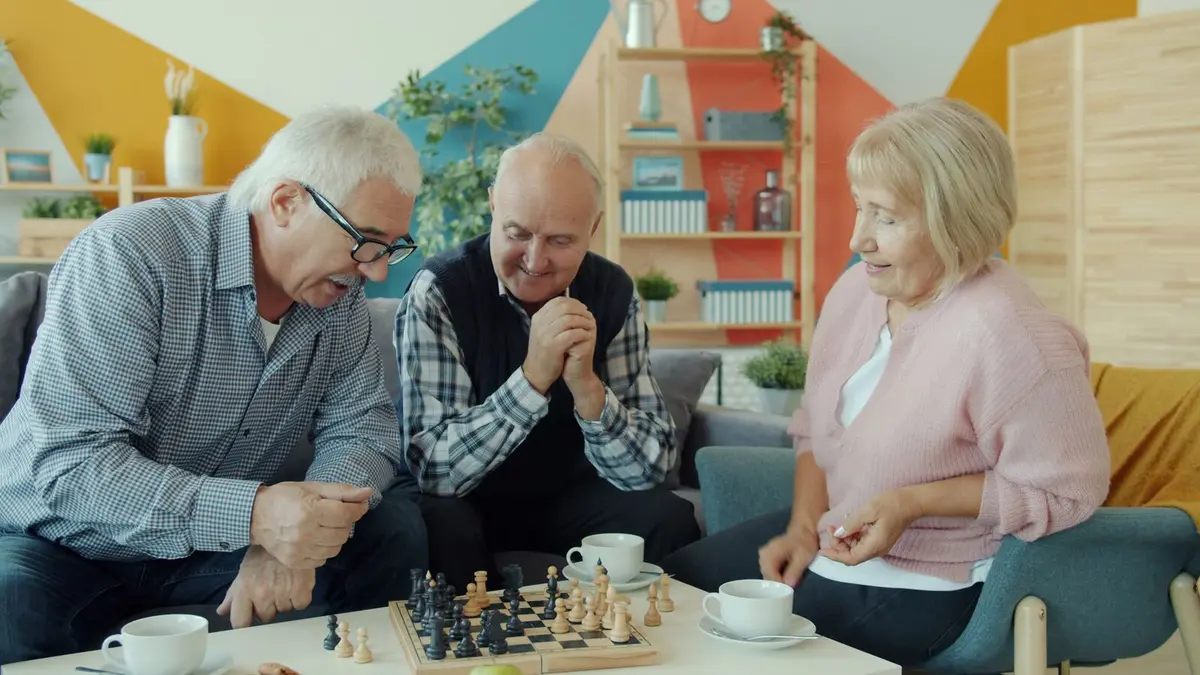
The best bingo variations change one thing and keep everything else the same: the winning pattern, what you call, or who plays together. Four corners, the letter X, picture frame and blackout only change which squares count, so the cards you already printed work for all of them. Theme, travel, music and story bingo swap numbers for words, which turns the game into a conversation.
Each idea below explains how the game works, how to call it, who it suits and one tip that makes it run smoothly. If you’re new to running bingo for a group, start with the basics in bingo for seniors, then come back here when the classic game needs a change.
How to choose a bingo variation
Pick the variation by the time you have and the mood of the room. Short patterns give lots of winners in a quick session; long ones suit a settled group with an hour to spare. This table shows what each game changes:
| Variation | What changes | Round length |
|---|---|---|
| Four corners | The pattern | Short |
| The letter X | The pattern | Medium |
| Picture frame | The pattern | Long |
| Postage stamp | The pattern | Short to medium |
| Letter T or L | The pattern | Medium |
| Blackout | The pattern | Longest |
| Progressive rounds | The pattern grows each round | One long session |
| Team or partner bingo | Who plays together | Any |
| Theme word bingo | What you call | Any |
| Travel bingo | What you call | Any |
| Music bingo | What you call | Medium |
| Bingo with a story | What happens after each call | Long |
Always announce the pattern before the first call, and draw it on a whiteboard or hold up a marked sample card. Players who can see the shape check their cards with confidence.
1. Four corners
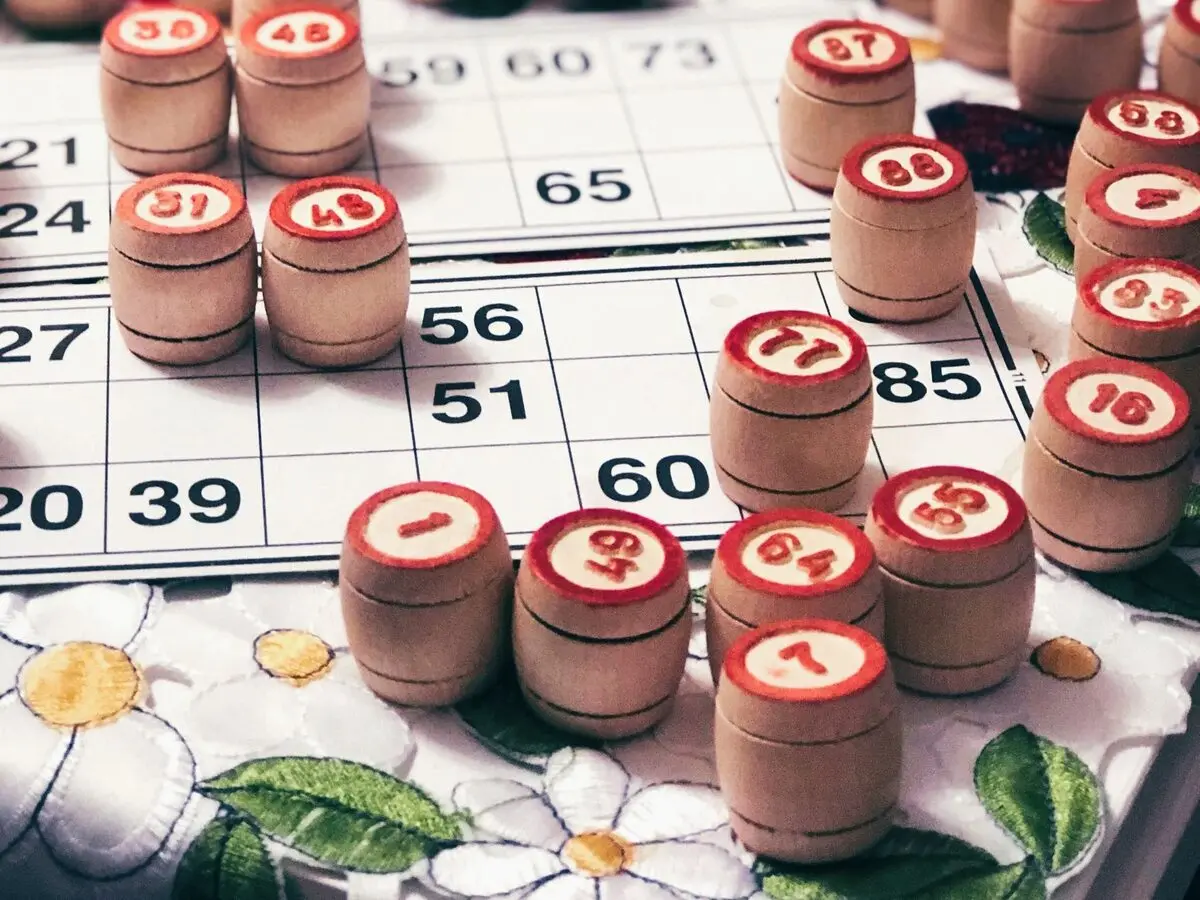
Four corners asks players to mark only the four corner squares of the card. Every other call still gets marked, but only the corners decide the winner, so eyes move to the edges of the card and the room gets a winner quickly.
How to call it: Call as usual, but pause for a moment after each call that lands on a corner, so players have time to spot it. When someone calls bingo, ask them to read the four corner squares aloud while you check the calling list.
Who it suits: A first game of the day, a group that’s new to bingo, or a short session before lunch. It also works well with the smaller 3 by 3 cards, where every corner is easy to find.
Tip: Play two or three quick rounds of four corners in a row with the same cards. Players clear their markers between rounds, and nobody waits long for a turn at winning. Quick wins early in the session keep everyone at the table for the longer games that follow.
2. The letter X
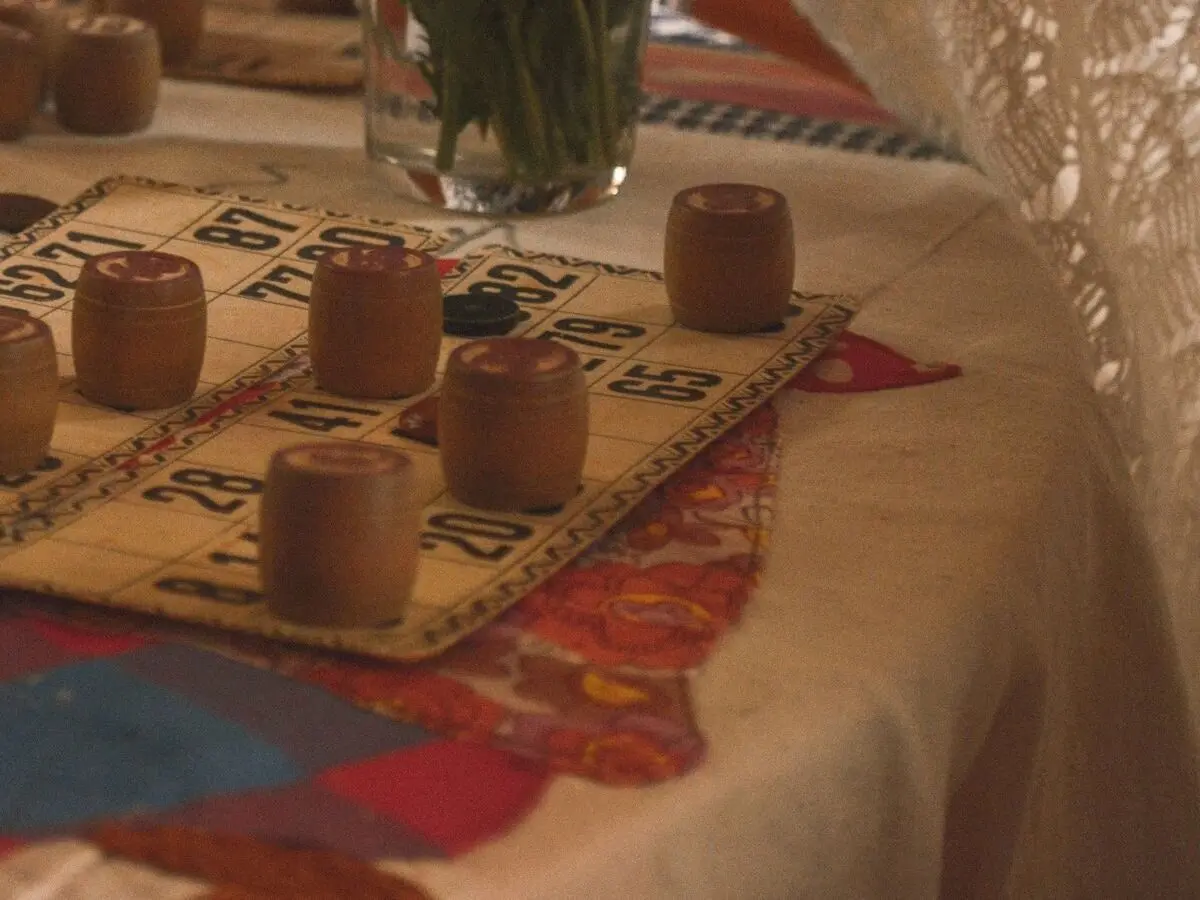
The letter X means marking both diagonals, from corner to corner, so the two lines cross in the middle. On a card with a free center square, that middle square is already marked, which gives everyone a head start.
How to call it: Show the X on a whiteboard before you begin, because some players picture it at first as a plus sign. Call at a steady pace, and remind the room of the pattern halfway through the game, since a long round can blur the rule.
Who it suits: Players who have mastered straight lines and want a little more to watch. It suits 5 by 5 cards best, where the free center ties the two diagonals together.
Tip: Once the group knows the X, try the plus sign as its partner: the full middle row and the full middle column. Alternate the two shapes from round to round. The cards stay the same, but players have to look at them in a fresh way each time, which keeps the game lively without new rules to learn.
3. Picture frame
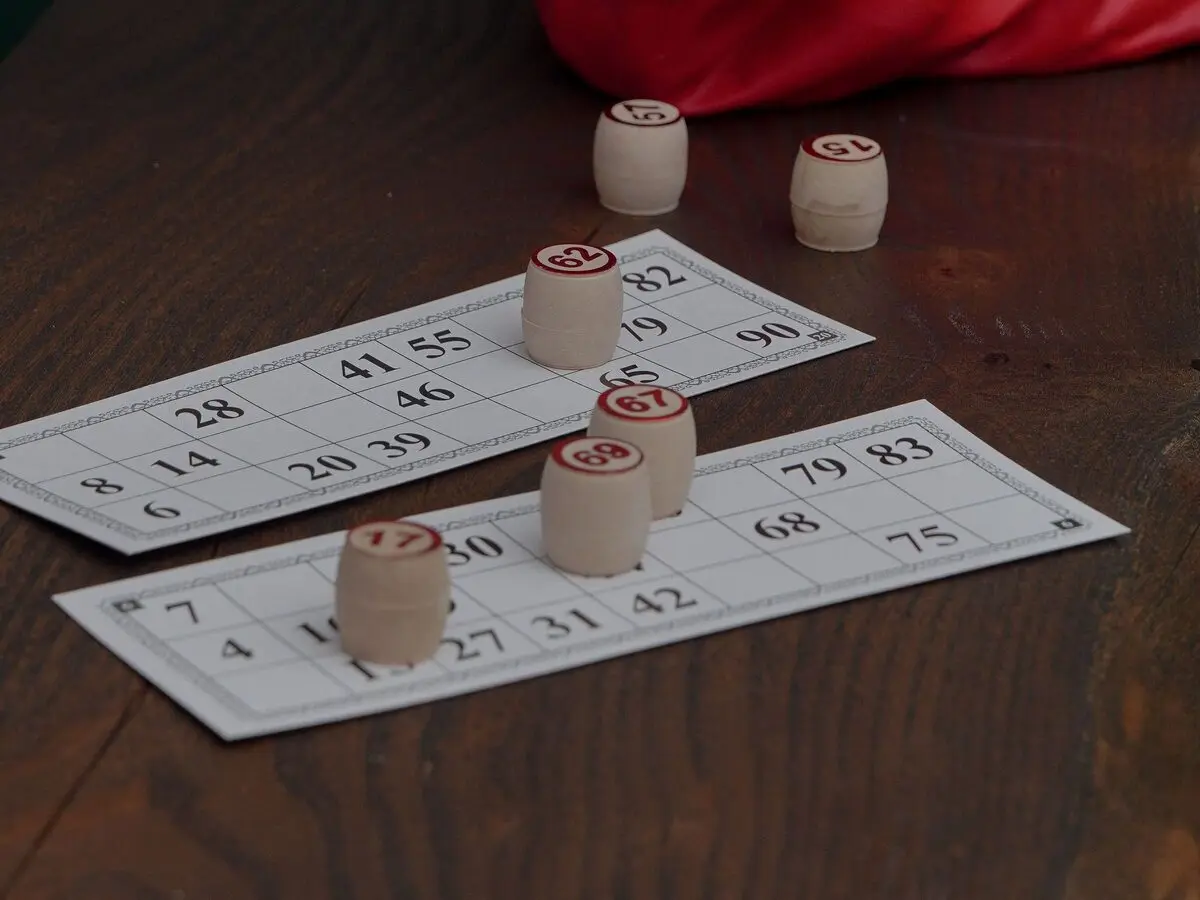
Picture frame, sometimes called the outside edge, means marking every square around the border of the card: the whole top row, the whole bottom row and both outer columns. It takes longer than a line, because the frame holds more squares, and the inside of the card doesn’t count at all.
How to call it: Call at your normal pace, but let players know it’s a longer round, so nobody worries when the first calls pass without a winner. When a player is one square away, you’ll often hear about it, which adds a little friendly suspense.
Who it suits: A group that’s comfortable with bingo and happy to play for a while. It works best on 4 by 4 and 5 by 5 cards, where the frame and the middle are clearly separate.
Tip: Give each player a marker in one color for the frame and another color for the middle. The frame stands out at a glance, and checking a winning card takes seconds. Buttons in two colors, or dried beans and dried peas, do the job without any special supplies.
4. Postage stamp
Postage stamp means covering a small square block of four squares in one corner of the card, like a stamp in the corner of an envelope. Some groups allow any corner; others name the corner before the game starts. Agree on the rule first, so there’s no debate at the end.
How to call it: Hold up a sample card with the block marked in the top right corner, then say whether any corner counts. Call a little more slowly than usual, because players are watching four corners of the card for a block of squares instead of one line.
Who it suits: A group that has played four corners and wants a small step up. It’s quick enough for a short session, and it rewards players who like to scan the whole card.
Tip: Try “any corner” for the first round and “top right only” for the second. The first round is quick and cheerful; the second takes longer and builds a bit of suspense. Two rounds of the same shape with different rules give the session variety without extra explaining.
5. Letter T or L
The letter T means the full top row plus the full middle column, like a capital T standing on the card. The letter L means the full left column plus the full bottom row. Both shapes are easy to picture, and they make a nice change from straight lines.
How to call it: Draw the letter on the whiteboard and leave it there for the whole round. Call at a steady pace, and if a player calls bingo on a near miss, such as a T with the wrong column, check it kindly and keep the game going.
Who it suits: Players who enjoy a clear rule and like seeing a shape grow on their card. It suits 5 by 5 cards best, where the T passes through the free center.
Tip: Run a series of letters across a session: an L in one round, a T in the next, then an X. Let the group guess the next letter before you announce it. A few players will start predicting the next shape, which adds a small game inside the game.
6. Blackout
Blackout, also called coverall, means marking every square on the card. Nobody can win until every square is covered, so the round runs well past the others and the last few calls are full of suspense as several players wait for one square each.
How to call it: Call at a relaxed pace and keep a running count on the calling list, so you know when a winner is close. Check winning cards carefully, square by square, because a blackout card holds more squares than any other pattern.
Who it suits: The last round of a session, when players are settled and happy to play a while. It suits a group that enjoys the slow build more than a quick win.
Tip: Let experienced players hold two cards for the blackout round. Two cards keep their attention through the long middle of the game, and they give a keen player twice the chance to finish. Newer players can stay with one card, so the round feels fair to everyone at the table.
7. Progressive rounds
Progressive rounds turn one card into a whole session. The first round is won with a single line; players keep their markers, and the next round is won with two lines, then a picture frame, and finally the full card. Each round builds on the marks from the one before.
How to call it: Announce the full plan at the start, then name the new pattern clearly after each winner. Don’t clear the cards between rounds; that’s the whole idea. Keep calling from the same list, ticking each call so you can check every winner against it.
Who it suits: A group that likes a long game with several small wins along the way. Different players often win different stages, which spreads the fun around the room.
Tip: Fill the short pause between stages with a question or two on the big-screen trivia presenter. It gives everyone a moment to stretch and chat, and the next stage starts with fresh energy. Keep the questions on the same theme as the cards for a session that holds together.
8. Team or partner bingo
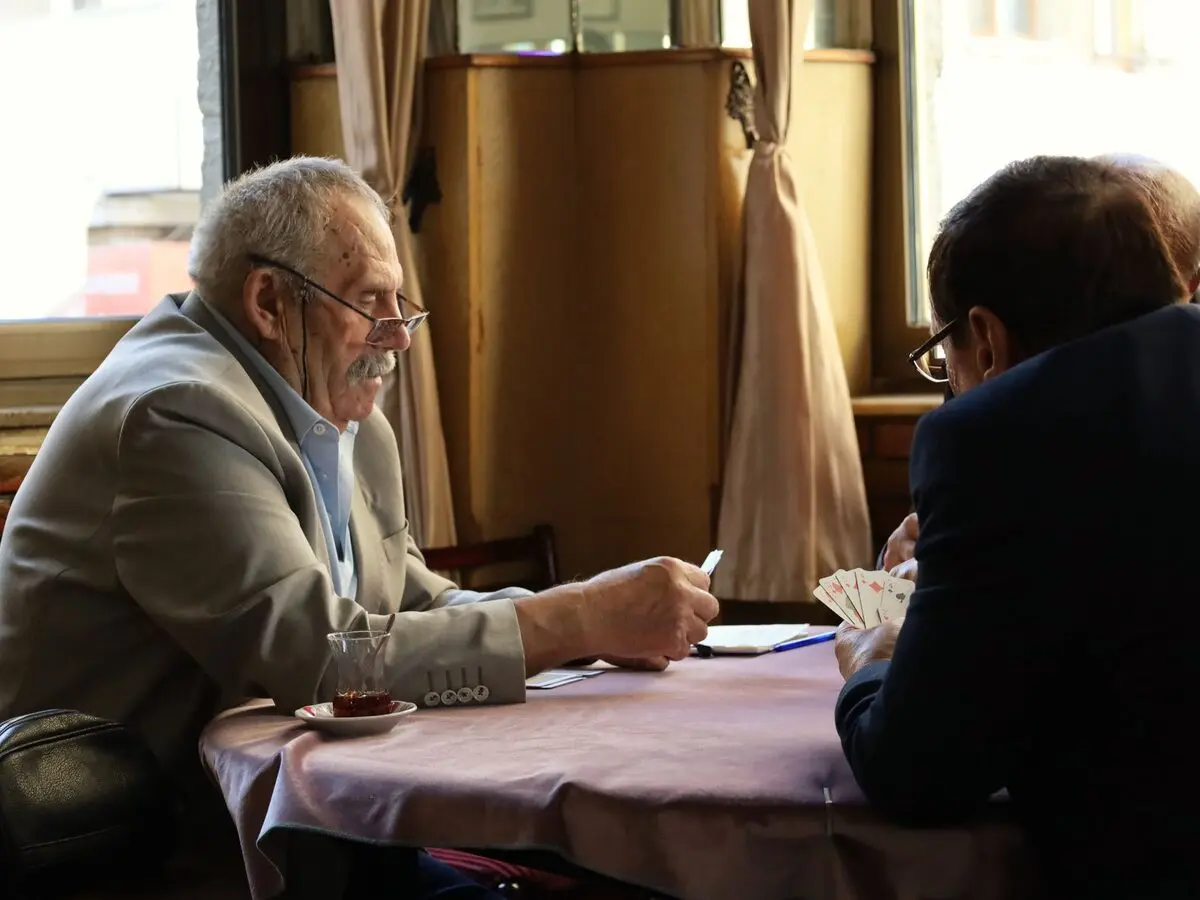
Team bingo puts two or three players on one card. Partners take turns finding each call, mark the square together and decide as a group when to call bingo. Any pattern in this list works, from four corners to blackout.
How to call it: Give each team a name, such as a color or a flower, and use the names when you check a winner. Call slowly enough for partners to talk each call over before the next one. The table talk is part of the fun, so leave space for it.
Who it suits: Mixed groups, new players who’d like a guide, and family visits where grandchildren play beside a grandparent. It also suits anyone who simply enjoys a game more with company.
Tip: Print team cards one per page for the largest print, and lay them flat in the middle of the table where every partner can see. Let teammates swap the job of marking each round. One partner finds the call, the other marks it, and both share the win.
9. Theme word bingo

Theme word bingo uses words in place of numbers. Every square holds a word from one topic, such as flowers, kitchen tools, classic cars or birds, and you call the words one by one. The rules stay the same; only the words change.
How to call it: Read each word clearly, then add a short line about it: “Tulip, a garden flower.” The extra line helps players find the word and often starts a little chat at the table. Tick each word on the calling list as you go.
Who it suits: Almost any group, and especially players who’d rather read words than scan rows of numbers. Match the theme to the season or to the day’s activity, such as garden words before a planting session.
Tip: Use more words than a card has squares, about half as many again. Each card then holds a different mix of words, so fewer players finish at the same moment. On a full-size card, that means about three dozen familiar words.
10. Travel bingo

Travel bingo is word bingo with place names. Fill the cards with US states, big cities or famous landmarks, and call them like any other word. A large map on the wall, with a sticky dot for each place you call, gives the room something to look at between calls.
How to call it: Call each place, then ask a quick question before the next call: “Has anyone been to Maine?” Keep it light, and move on after a short answer or two so the game keeps its pace.
Who it suits: Groups that like to talk about trips, hometowns and places where family lives now. It’s a good fit for a group with members from many parts of the country.
Tip: Start with a ready list of states and add the hometowns of everyone in the room. Players light up when their own town is called, and the round becomes a little tour of the group. Keep the list to familiar names, so every word is easy to read and say.
11. Music bingo with song titles

Music bingo puts song titles on the cards. Instead of reading a title aloud, you play a few seconds of each song, and players mark the title when they recognize it. Only the titles go on the cards, never the lyrics, which keeps the cards short and easy to read.
How to call it: Play about fifteen to twenty seconds of each song, then say the title clearly for anyone who didn’t catch it. Keep a written list of the songs in the order you play them, so you can check a winning card at the end.
Who it suits: Groups that love a sing-along, and players who’d rather listen than read. Pick songs from the decades the players grew up with, so the titles are familiar the moment the music starts.
Tip: Build a playlist before the session and test the volume from the back of the room. Leave the song playing a little longer when the room starts humming along. That moment of music is often the highlight of the afternoon, and nobody minds if the round runs a few minutes over.
12. Bingo with a story

Bingo with a story adds one step after each call: anyone who has the word on their card may share a short memory about it. Call “Front porch”, and someone may describe the porch of the house they grew up in. The game slows down and turns into a conversation.
How to call it: After each call, ask one player with the word to share a sentence or two, then move on to the next call. Keep sharing optional, and thank every speaker before the next call so the room feels warm and unhurried.
Who it suits: A small, settled group that knows each other, or a family gathering where stories matter more than the winner. It works best with familiar words: kitchen items, first jobs, school days or favorite foods.
Tip: Play a short pattern, such as four corners, so the game still has an ending. With stories between calls, even a quick pattern fills half an hour. Keep a few gentle prompts ready, such as “Where were you when you first heard this word?”, for any call that meets a quiet table.
Calling tips that suit every variation
A few habits make any of these games easier to follow:
- Say each call twice, slowly and clearly, and write it on a whiteboard for anyone who’d rather read than listen.
- Show every call on a TV with the big-screen bingo caller, which keeps a board of every call so players can catch up after a pause.
- Tick the calling list as you go, so checking a winning card takes seconds.
- Keep prizes small and friendly: first pick of the dessert tray, a choice of seat at lunch, or the job of calling the next round.
- End on a short round, so the last game finishes on time and everyone leaves with a smile.
Make the cards for your next bingo variation
Every game in this list starts with a good set of cards. The free large print bingo card generator makes word cards in three sizes or classic number cards, with a free center square, a different card for every player and a calling list for the host. Pick a ready theme list or type your own words, then download a PDF to print.
Before the session, run through this checklist:
- Choose two or three variations: a quick one to start, a longer one in the middle and a short one to finish.
- Print one card per player, plus a few spares for late arrivals.
- Print the calling list for the host.
- Draw each pattern on a whiteboard or mark a sample card.
- Set out markers in two colors and a small treat or privilege for each winner.
Frequently asked questions
What is the easiest bingo variation for a new group?
Four corners is the easiest, because players only watch four squares and the rule takes one sentence to explain. It's also quick, so a new group gets a winner early and wants another round.
Which bingo variation takes the longest?
Blackout, also called coverall, takes the longest, because every square on the card has to be marked. Save it for the last round of the session, when players are settled and happy to play a while.
Can I play these bingo variations with word cards?
Yes. Every pattern in this list works on word cards as well as number cards, because the pattern only decides which squares count. Theme, travel, music and story bingo are built on word cards from the start.
What are good bingo prizes for an activity room?
Small treats and privileges work well, such as first pick of the dessert tray, a choice of seat at lunch or the job of calling the next round. A round of applause for each winner keeps the mood friendly too.
Save it for later
Pin it to a board so it's there when you need it.
Save to Pinterest(opens in a new tab)Keep reading
Large Print Bingo Card Generator
Print a set of different large print bingo cards from your own words or the numbers 1 to 75, with a calling list.