30 daily activities for assisted living residents to enjoy

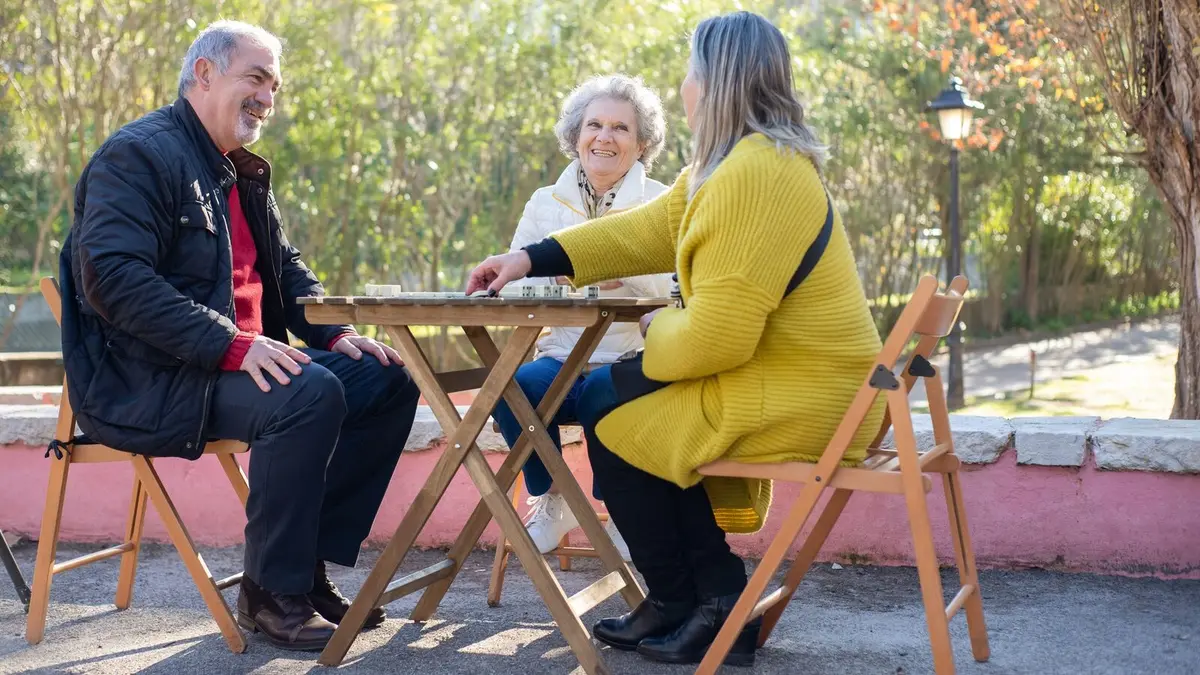
The best daily activities for assisted living follow the shape of a day: a calm, social start over coffee, one or two lively group events in the afternoon, quieter tables for cards and puzzles, a few one-to-one visits for residents who stay in, and an easy evening with music or a film. Offer a mix of big and small, loud and quiet, and keep the anchors at the same time each week.
The 30 ideas below follow that order. Ideas 1 to 8 suit the morning, 9 to 15 are afternoon events for the whole group, 16 to 25 work best in small groups, 26 to 28 are one-to-one, and 29 and 30 close the day. Each one comes with how to run it, what you need, who it suits and a variation, so you can build an activity program around what your residents enjoy.
1. Morning coffee and the news
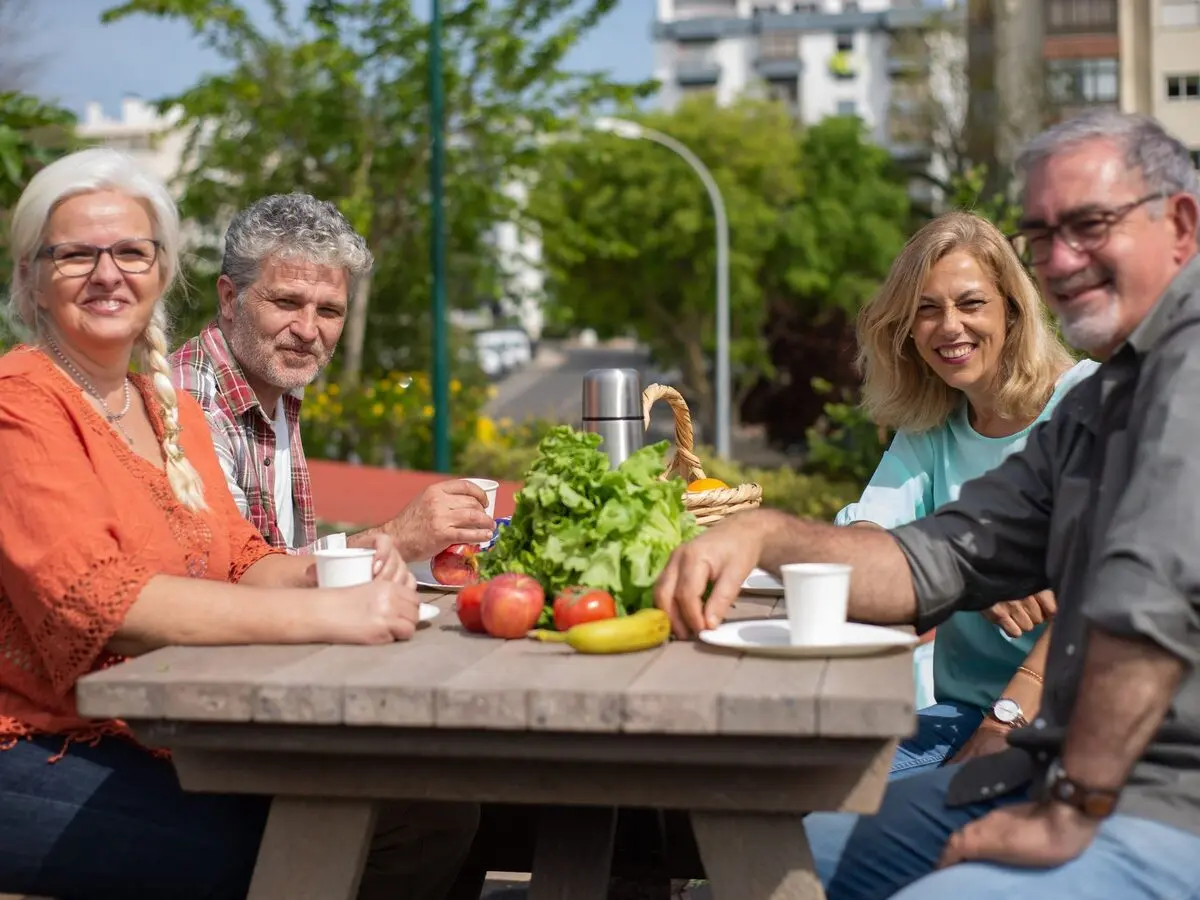
Start the day with a pot of coffee, a plate of muffins and the morning paper in a bright common room. It’s an easy way in: residents can drop by for five minutes or stay for an hour, and nobody has to perform.
To run it, read two or three headlines aloud, then open the floor. Pick lighter stories when you can, like a local bakery opening, a new bridge, a record-breaking pumpkin or a school sports win, and save heavy news for those who ask.
- You need: coffee and tea, a newspaper or two, and a large print copy of the day’s schedule.
- Best for: early risers, former readers of the daily paper and anyone who likes to chat.
- Try this: Add a “this day in history” card and ask who remembers where they were. Or pin the best local story on a board, so people who come late can catch up.
2. Word search hour
A word search is the gentlest puzzle there is: no clues to decode, just letters to find. Set out copies on the tables after breakfast and let residents work alone or in pairs, with a pencil and a highlighter.
Pick a theme that sparks talk, such as kitchen words, classic cars or flowers in the garden. Ten to fifteen words in a small grid keep the letters big and the hunt pleasant. You can make your own themed puzzles with the large print word search maker, which prints a PDF with an answer key.
- You need: printed puzzles, pencils, highlighters and good light.
- Best for: residents who like quiet focus, and newcomers who aren’t ready for a group game yet.
- Try this: Use names from the community itself, such as staff, pets, streets and favorite dishes. Residents love spotting a name they know, and the finished puzzles make a cheerful display on the activity board.
3. Crossword corner
Some residents have done a crossword with their morning coffee for decades. Give them a corner of their own: a table by the window, a stack of puzzles in large print and a dictionary for the stubborn clues.
Run it as an open table rather than a class. Read a clue aloud now and then and let anyone call out an answer, which pulls in people who are only passing by. Mix easy puzzles with harder ones, and write your own with the large print crossword maker so the clues can be about the town, the community or the season.
- You need: large print crosswords, pencils with erasers, a dictionary and the answer keys.
- Best for: longtime puzzlers, word lovers and pairs who like to argue over a clue.
- Try this: Post one large crossword on an easel and let the whole building fill it in over the week. Reveal the finished grid at Friday coffee.
4. Word scramble at the coffee table
A word scramble takes a word, mixes up its letters and asks you to put them back. It’s quick, it’s satisfying, and it works well as a group game called out loud as much as on paper.
Write eight to twelve scrambled words on a big pad, or hand out printed sheets. Give a hint for each one, like “a breakfast food” or “something in the garden”, and read the answer once a few people have it. The word scramble maker builds large print sheets with a hint and writing boxes for each word.
- You need: printed scrambles or a large pad and a thick marker.
- Best for: residents who enjoy a fast puzzle and a bit of friendly competition.
- Try this: Scramble the names of the week’s other activities, so solving the puzzle also tells everyone what’s coming up. Or let a resident pick the theme for next week.
5. Garden club
A garden club gives residents a reason to step outside and a shared project to watch grow. Meet once a week, at a raised bed, a row of large pots or a sunny patio, and decide together what to plant this season.
Keep the work simple and seated where you can. One person waters, another pulls a few weeds, and someone else keeps notes on what’s blooming. Bring the talk around to gardens people kept at home: what grew well, what never did, and the vegetable everyone grew too much of.
- You need: raised beds or tall planters, gloves, small hand tools, a watering can and chairs nearby.
- Best for: former gardeners, people who grew up on farms, and anyone who likes fresh air.
- Try this: Plant a cutting bed of zinnias or sunflowers, then let the club fill vases for the dining room tables. A seed catalog makes a fine winter meeting when it’s too cold to dig, and a gardening word search fills the table on a rainy day.
6. Potting herbs
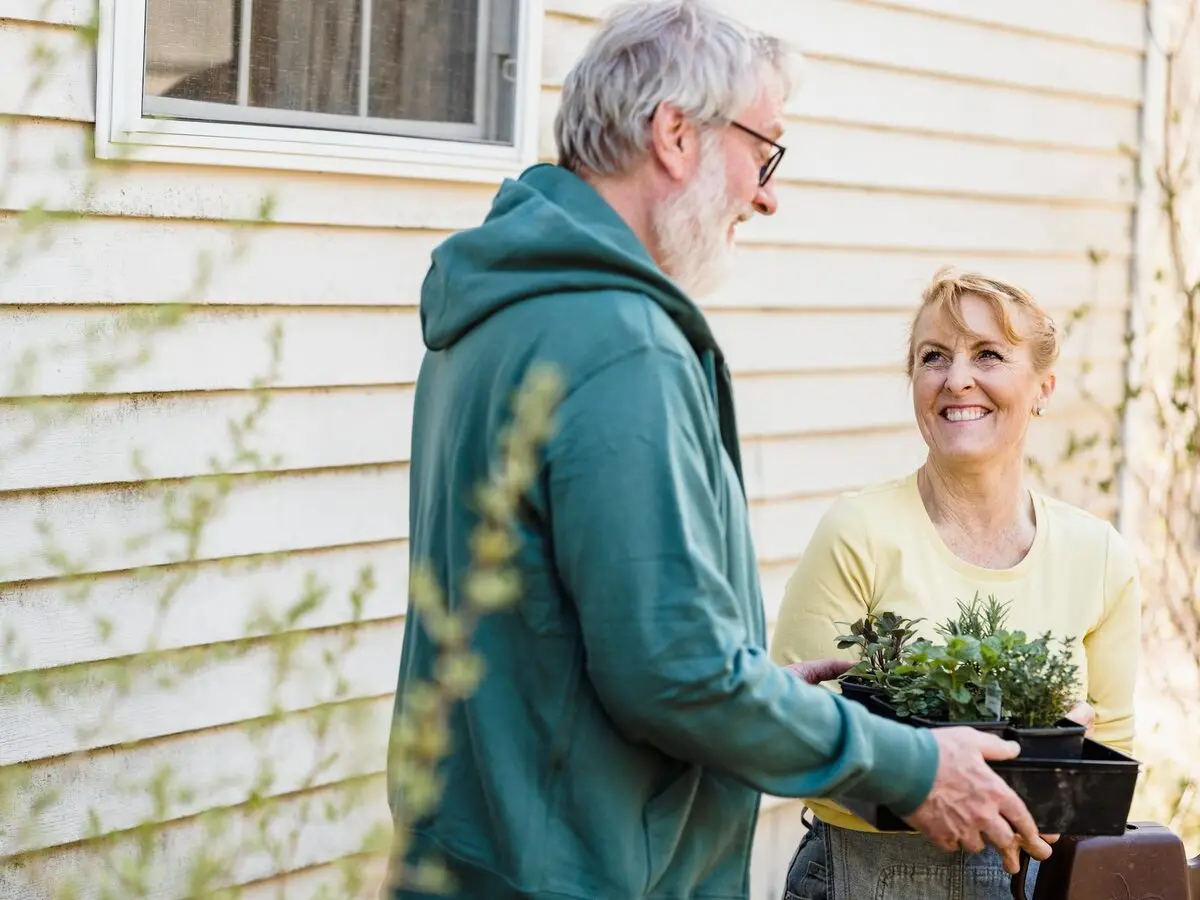
Potting herbs is a small, tidy version of gardening that fits on an indoor table. Each resident fills a pot with soil, sets in a young plant such as basil, mint, parsley or chives, and takes it home to a sunny windowsill.
Cover the table with newspaper first and set out soil in shallow trays, so no one has to lift a heavy bag. Show one pot from start to finish, then help each person with theirs. Let residents smell the leaves and talk about how they cooked with each herb.
- You need: small pots with saucers, potting soil, young herb plants, spoons or trowels, and a damp cloth.
- Best for: residents who enjoy working with their hands and those who love to cook.
- Try this: Grow a shared herb box for the kitchen, then ask the chef to use it in a dish and name the dish after the club. Labels written in large print help everyone tell the plants apart.
7. Bird watching by the window
Bird watching needs no travel at all. Hang a feeder or two outside a common room window, set chairs facing it, and let residents watch the morning visitors with a cup of coffee in hand.
Keep a simple log on a clipboard: the date, the bird and who spotted it. A large print picture guide of local birds helps people put a name to a flash of red or a striped head. Talk about the birds people fed at home, and the ones that sang outside their kitchen windows.
- You need: a feeder, birdseed, a large print bird guide, a clipboard and a pair of binoculars.
- Best for: early risers, nature lovers and residents who enjoy quiet company.
- Try this: Keep a running tally on the activity board and celebrate the first sighting of a new kind of bird. In warmer months, take the group outside to sit near the feeder instead.
8. A stroll around the grounds
A short stroll is a social outing as much as anything. Walk the paths around the building at an easy pace, stop at benches to sit and chat, and point out what’s changed since last week: a new bloom, a fresh nest, a neighbor’s new mailbox.
Pick a time when the weather is mild, and plan the route so there’s a place to rest every few minutes. Invite staff and family members along. Bring a little purpose, like checking on the garden club’s beds or counting the trees that have turned color.
- You need: a planned route with benches, sun hats or light jackets, and water for everyone.
- Best for: residents who like being outdoors and those who enjoy a one-on-one chat while moving.
- Try this: Make it a “photo stroll” and take one picture of something new each week. Print the best ones for the activity board, or end the stroll with lemonade on the patio.
9. Trivia hour
Trivia is a reliable afternoon favorite: it’s lively, it works with any group size, and nobody needs to move from their seat. Put questions on a TV or projector so everyone can read them, and read each one aloud too.
Play in teams of three or four, so no one is on the spot alone. Mix easy questions with a few harder ones, and pick themes residents know well, such as songs of the 1950s, old radio shows, famous landmarks or kitchen know-how. The big-screen trivia presenter shows one question at a time in huge print and reveals the answer when the room is ready.
- You need: a TV or projector, a list of questions, answer sheets and pencils.
- Best for: competitive spirits, quiz fans and groups who enjoy a good laugh at a wrong answer.
- Try this: Let residents write a round of questions about their own hometowns or careers. Staff versus residents makes a fun once-a-month match.
10. Bingo afternoon
Bingo earns its place on almost every activity calendar: everyone knows how to play, and every call gives the whole room a reason to lean in. Each card has five lettered columns and a free square in the middle, and players win by completing a row, a column or a diagonal.
To run it well, call slowly, repeat each number twice and show it on a screen. The big-screen bingo caller displays each call in huge print with a board of every number called so far. Print cards with the large print bingo card maker, which makes every card different and can use words instead of numbers.
- You need: large print cards, markers or chips, a screen and small prizes, like first pick of dessert.
- Best for: almost everyone, including residents who join few other activities.
- Try this: Play a blackout game, where the whole card must be covered, as the final round. Word bingo with a theme, such as birds or old cars, makes a fresh change.
11. Name that tune
Name that tune turns a music playlist into a game. Play the first few seconds of a familiar song, and the first team to call out the title wins the point.
Build a playlist from the decades your residents grew up with: big band numbers, crooners, early rock and roll, film themes and country standards. Play a little more of the song if no one has it yet. Show the title on a screen after each round, so everyone can read it and hum along.
- You need: a speaker, a playlist, a screen for the titles and a scorecard.
- Best for: music lovers, and residents who may not join a word game but know every song.
- Try this: Play only the instrumental opening, or let residents request songs for a round. A “guess the decade” round works well for groups who know the sound of an era better than the titles.
12. Game show afternoon
A game show afternoon borrows the format of the TV quizzes residents watched for years: teams, buzzers, a host with a big voice and a scoreboard. It feels like an event, and it draws a crowd.
Set two or three tables as teams and give each a bell or a noisemaker. Run rounds such as fill in the blank, guess the category, “which came first” and a final question worth double points. Keep the host warm and quick, and let every team win something by the end, like a ribbon or the first slice of cake.
- You need: bells or buzzers, a whiteboard scoreboard, question cards and a lively host.
- Best for: groups who love a show, and staff or volunteers who enjoy performing.
- Try this: Invite residents to take turns as the host. A “family edition” with visiting relatives on each team makes a fine weekend event.
13. Cooking demonstration and recipe swap
A cooking demonstration fills the room with good smells and gives everyone something to talk about. Invite the community’s chef, a staff member or a resident with a known specialty to make one simple dish at a table where everyone can watch.
Choose something that needs no stove, like a fruit salad, a layered dip or tea sandwiches, so you can cook right in the activity room. Narrate each step, pass around the ingredients to smell and touch, and serve small tastes at the end. Then open the floor for a recipe swap: everyone shares a dish they were known for.
- You need: a sturdy table, simple ingredients, bowls and utensils, and tasting cups.
- Best for: former home cooks, people who ran a kitchen, and anyone who loves food.
- Try this: Collect the swapped recipes into a large print booklet for residents and families. Ask the kitchen team to help plan what gets tasted.
14. Ice cream social
An ice cream social is a simple party that almost always fills the room. Set up a sundae bar in the afternoon, put on cheerful music and let residents choose their own toppings.
Serve it from a table with staff and volunteers scooping, so residents don’t have to stand and wait. Offer two or three flavors and a handful of toppings, like sprinkles, chopped nuts, chocolate sauce and cherries. Talk about the ice cream parlors and soda fountains people went to when they were young, and the flavors they always ordered.
Have a few cups ready to carry to residents who can’t come down, so no one misses out. A short playlist of songs from the soda fountain years sets the scene.
- You need: ice cream, bowls and spoons, scoops, toppings, napkins and a music playlist.
- Best for: everyone, including family members, who make a social a natural time to visit.
- Try this: Hold a root beer float afternoon or a “build a banana split” social. In warmer months, move it outside to the patio under an umbrella.
15. Movie afternoon with a classic film
A classic film turns an ordinary afternoon into a night at the pictures. Draw the curtains, set up chairs in rows, pass around popcorn and start the film right on time.
Pick films residents remember from the theaters of their youth: musicals, westerns, screwball comedies and family favorites. Turn on the captions and the volume, and introduce the film in two or three sentences before it starts. Stop for a short intermission halfway through a long film, then talk about it afterward.
- You need: a large screen, good speakers, a film with captions, and popcorn.
- Best for: residents who like to relax with company, and those who love the stars of the old studios.
- Try this: Run a series on one star or one genre each month, or let residents vote from three choices. A printed “ticket” handed out at lunch adds a little fun.
16. Card games
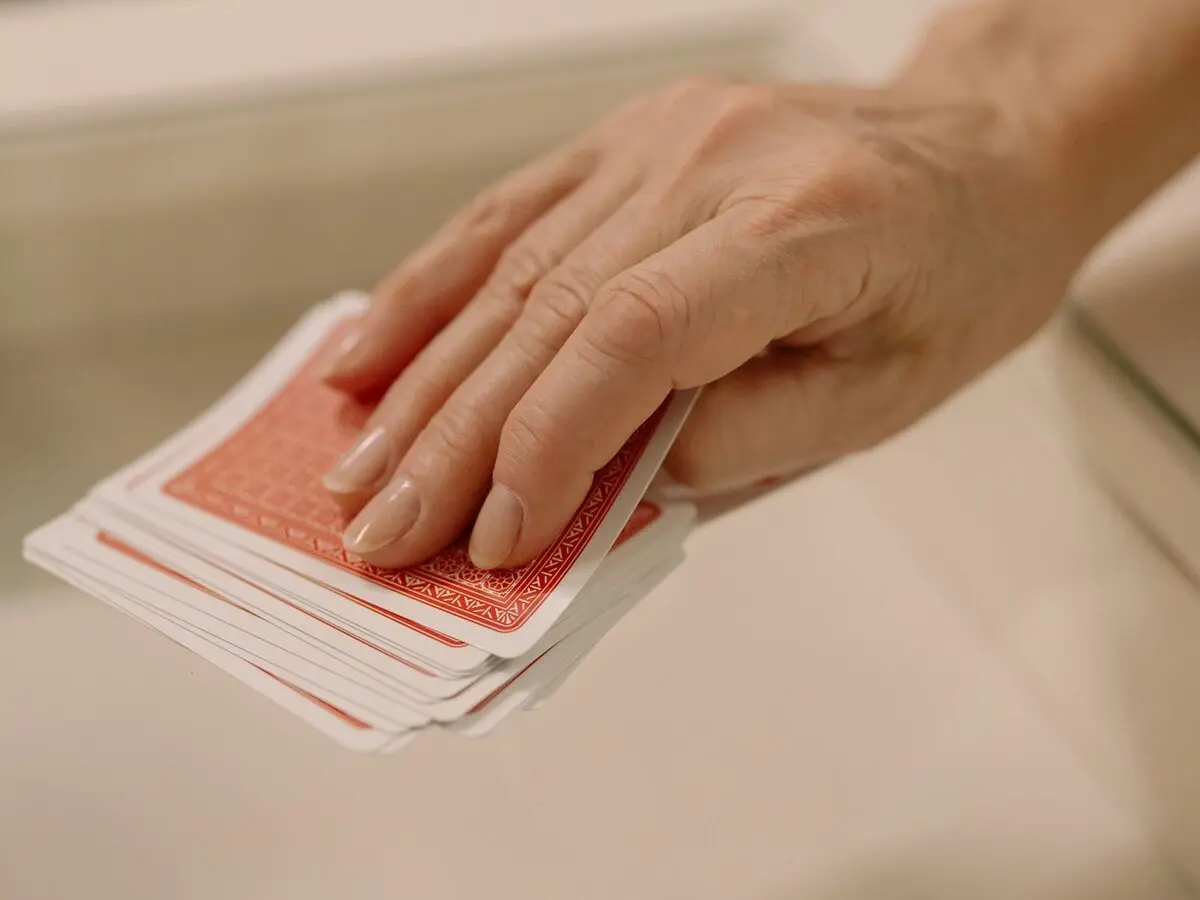
A card table is one of the easiest small-group activities to keep going every day. Set out decks on a table in a quiet corner and let regulars gather for gin rummy, crazy eights, hearts, canasta, cribbage or bridge.
Use large print or jumbo cards so everyone can read their hand, and a card holder for anyone who finds it hard to fan out the cards. A staff member can teach a new game once a week, but most days the table runs itself. Post the regular times on the schedule so new players know when to come.
- You need: large print decks, card holders, a score pad and a table with good light.
- Best for: longtime card players, pairs of friends and anyone who prefers a small group.
- Try this: Host a friendly tournament across a month, or a “learn a new game” afternoon. For residents who prefer to play alone, leave out a deck for solitaire.
17. Dominoes
Dominoes is easy to learn, satisfying to play and loud in the best way: tiles click on the table and players groan or cheer at each move. A standard double-six set is all a table needs.
Players take turns placing tiles end to end, and the touching ends must match. Teach the simplest version first, then add scoring once the table is comfortable. Choose large tiles with clear, bold dots, and play on a cloth or a felt mat so tiles don’t slide.
- You need: one or two sets of large dominoes, a table, a felt mat and a score pad.
- Best for: residents who played at family gatherings, and players who like a game with a bit of strategy.
- Try this: Set up a weekly dominoes night with a running leaderboard, or play outdoors on a nice day. Residents who know a regional version can teach it to the rest of the table.
18. Jigsaw puzzle table
A jigsaw puzzle on a table in a common area becomes a slow, shared project. Anyone can stop and place a piece, and over a few days the picture grows with help from residents, staff and visiting families.
Choose puzzles with big pieces, clear pictures and strong colors, such as gardens, harbors, old cars or a country store. Pick 300 or fewer pieces for a shared table, and start the border yourself to give people an easy way in. Sort the pieces by color into trays.
- You need: a large print or big-piece puzzle, a sturdy table that can stay put, sorting trays and good light.
- Best for: residents who enjoy quiet focus, and those who like to drop in and out.
- Try this: Glue the finished puzzle and hang it in the hallway with the names of everyone who helped. Keep a smaller puzzle on hand for one-to-one visits.
19. Conversation circle with question cards
A conversation circle gives residents a chance to share stories and learn about each other. Sit six to ten people in a circle, pass around a deck of question cards, and let each person read one aloud and answer it, or pass.
Pick questions that invite a story, not a yes or a no: “What was your first job?”, “What did a Saturday look like when you were ten?” or “What’s the best meal you’ve ever eaten?” Give everyone time to speak, and let the talk wander. The conversation card maker prints large print cards from ready themes or your own questions.
- You need: printed question cards, comfortable chairs in a circle and something to drink.
- Best for: talkers, storytellers and new residents getting to know their neighbors.
- Try this: Set a theme for each week, such as school days, first cars or hometowns. Pair residents for a “get to know you” round before the full circle.
20. Armchair travel
Armchair travel takes the group somewhere new without leaving the building. Pick one place, such as a city, a country or a national park, and spend an hour exploring it through photos, maps, music and food.
Start with a large map on the wall and find the place together. Show photos on the TV, play a song from the region, and pass around something to taste, like a pastry or a fruit common there. Invite anyone who has been there, or lived there, to share what they remember.
- You need: a wall map, photos on a screen, a short playlist and a simple snack from the region.
- Best for: former travelers, people from other countries, and anyone curious about the world.
- Try this: Give each resident a paper “passport” and stamp it after every trip. Let residents choose the next destination from a list, or travel to their own hometowns.
21. Book club
A book club gives readers a reason to meet and a story to talk over. Choose a short book, like a novella, a collection of short stories or a memoir, and meet every two or three weeks to discuss a few chapters.
Use large print editions from the library, and offer an audiobook version for anyone who prefers to listen. Open each meeting with a quick recap of the chapters.
Then ask three or four open questions, such as what people thought of the main character, what they would have done in the same spot and whether the ending felt right.
- You need: large print copies or an audiobook, a short list of questions, and a quiet room.
- Best for: longtime readers, retired teachers and anyone who enjoys a thoughtful conversation.
- Try this: Read short stories aloud at the meeting instead of assigning homework. Or watch the film version of the book afterward and compare the two.
22. Resident council
A resident council gives residents a real voice in community life. Meet once a month with an agenda, elected officers and a staff member present, and discuss what’s working, what isn’t and what residents would like to see next.
Keep the meeting to about an hour. Read the minutes from last time, report back on any requests, and leave time for new business.
Ask for activity ideas directly: what to add to the calendar, what to drop and what to try once. Post a short summary on the board afterward.
- You need: a meeting room, an agenda, a note taker, and a staff member who can answer questions.
- Best for: former business owners, club officers and residents who like to have a say.
- Try this: Add a suggestion box between meetings, or let the council plan one event each month from start to finish. New residents can attend as guests to see how it works.
23. Volunteer project
Many residents spent their lives helping others, and a volunteer project lets them keep doing it. Sort donated clothes for a shelter, assemble care kits, fold newsletters for a local group or write notes to go with meals delivered to neighbors.
Partner with one local organization so the work has a clear purpose. Set up an assembly line at a long table, with each person doing one step, and explain where the finished work will go. Afterward, share a thank-you note or photo from the partner so residents can see the result.
- You need: a partner group, the donated items or supplies, a long table, and bags or boxes.
- Best for: residents who like being useful, and those who spent years in teaching, office work or community groups.
- Try this: Run a donation drive in the community for a cause residents choose. Invite the partner organization to visit and say thank you in person.
24. Visits from school groups
Visits from local school groups bring energy and a fresh mix of ages into the building. Invite a class or a youth club to visit once a month, and plan a simple activity to share, such as a card game, a reading or a conversation with question cards.
Contact the teacher or leader early and agree on the time, the activity and the group size. Pair each child with one or two residents, keep the visit to about an hour, and give everyone name tags in large print. End with a snack and a group photo.
- You need: a teacher or group leader, name tags, a planned activity and a simple snack.
- Best for: grandparents, retired teachers and residents who light up around young people.
- Try this: Have students interview residents about growing up, then present what they learned on a return visit. A pen pal exchange keeps the connection going between visits.
25. Pet visits
A visit from a calm, friendly animal gives residents something to look forward to all week. Invite volunteers with well-trained dogs, or a local shelter with a few cats or rabbits, and let residents pet, hold and talk about the animals.
Set up chairs in a circle, and let the handlers bring each animal around. Let residents choose whether to hold, pet or simply watch, and keep hand wipes nearby. Talk about the pets residents had over the years: their names, their tricks and the trouble they caused.
- You need: a trusted volunteer or shelter, chairs in a circle, treats approved by the handler, and wipes.
- Best for: animal lovers and former pet owners, and residents who are often quiet in groups.
- Try this: Keep a photo album of every visiting animal. Residents who can’t come to the group can have a short visit at their door.
26. Letter writing
Letter writing is a quiet, personal activity that many residents grew up with. Set a table with nice stationery, cards and stamps, and help residents write to family, old friends or pen pals.
Offer to write for anyone who would rather dictate, and read back what you wrote. Suggest a simple starting point, like what the weather has been doing, a recent event in the community or a question for the person receiving it. Address and mail the letters together, so everyone knows they’re on their way.
Keep a list of each resident’s regular correspondents, with their addresses, so the next session starts quickly. When a reply arrives, offer to read it aloud if the resident would like.
- You need: stationery and cards, pens with a thick grip, stamps, addresses and a mailbox nearby.
- Best for: residents who stay in touch with distant family, and those who enjoy writing.
- Try this: Start a pen pal program with a school class or another community. Or write thank-you notes to staff members and post them in the break room.
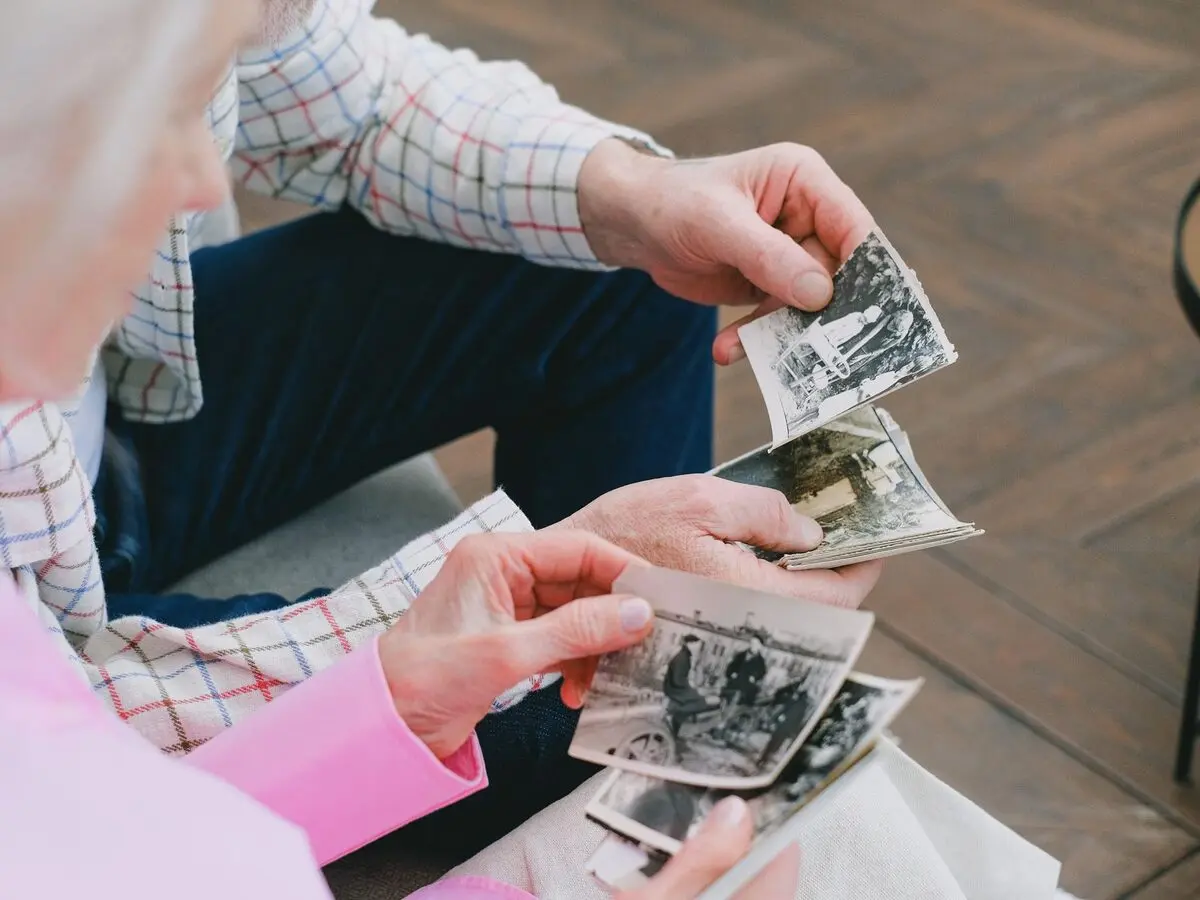
27. Photo sharing
Photo sharing is a warm one-to-one activity, and it works just as well in a small group. Ask residents or their families to bring in a few photos, and spend time looking at them together.
Ask open questions about each one, like who is in the picture, where it was taken and what happened that day. Let the resident lead, and follow the stories wherever they go.
A tablet can show family photos in a bigger size, and a scanner can make copies so the originals stay safe.
- You need: printed photos or a tablet, a magnifier, and a quiet spot with good light.
- Best for: residents who like to talk about family, and those who prefer a one-on-one visit.
- Try this: Help a resident make a simple photo board for the wall of their room. In a group, run a “guess who” round with old school photos that residents agree to share.
28. Reading aloud
Reading aloud is a calm activity that works one-to-one or in a small group. Choose a short story, a few poems, a chapter from a classic or an article from a magazine, and read it in a clear, unhurried voice.
Pick something that can be finished in one sitting, so no one has to remember where the story left off. Stop now and then to ask what people think will happen next, and leave time to talk at the end. Volunteers, staff and residents who love to read can all take a turn.
- You need: a short book or story collection, a comfortable chair and good light.
- Best for: residents who stay in their rooms, those who love stories, and anyone who would rather listen than read.
- Try this: Read a funny column or a story with dialogue, and let residents read the parts. A short reading after dinner makes a gentle way to close the day.

29. Music listening hour
A music listening hour is a relaxed evening activity with no pressure to take part. Dim the lights, set out comfortable chairs and play a set of songs with a theme, such as big band, love songs, Broadway musicals or country classics.
Introduce each song with a sentence or two about the singer or the year, then let it play. Invite residents to share what each song brings to mind. Keep the volume comfortable and the room quiet, so everyone can listen.
Print a short list of the evening’s songs in large print, so residents can follow along and ask to hear a favorite again.
- You need: a good speaker, a playlist, comfortable chairs and soft lighting.
- Best for: music lovers, residents who prefer to listen rather than sing, and those who like a calm evening.
- Try this: Let a different resident choose the playlist each week, or play an album start to finish. Live music from a local student or volunteer makes a special event.
30. Evening sing-along
A sing-along brings the group together at the end of the day. Hand out large print song sheets, sit around a piano or a speaker, and sing familiar songs together, from show tunes to folk songs and old favorites.
Choose songs most residents know by heart, and keep them short. Print the words large, with one song per page, and invite a staff member, a volunteer or a resident who plays piano to lead. Start with an easy, upbeat number and end with something gentle.
- You need: large print song sheets, a piano or speaker, and a confident leader.
- Best for: singers, anyone who once sang in a group and anyone who enjoys music with company.
- Try this: Let residents request songs, or hold a themed night like songs about places, songs from films or songs about the moon. A small rhythm instrument for each person adds to the fun.
How to plan a full day of activities
Once you have ideas, the next step is to arrange them into a week your residents can count on. Keep a few anchors at the same time every day, like morning coffee and an afternoon game, and rotate the rest. For a step-by-step method, see how to plan a monthly activity calendar.
Here’s one way to sort the 30 ideas by time of day and group size:
| Time of day | Big group | Small group or one-to-one |
|---|---|---|
| Morning | Coffee and the news, garden club, a stroll | Word search, crossword, word scramble, bird watching, potting herbs |
| Afternoon | Trivia, bingo, name that tune, game show, cooking, ice cream, movie | Cards, dominoes, jigsaw, conversation circle, book club, council, volunteering, visits |
| Evening | Sing-along | Music listening, reading aloud, letter writing, photo sharing |
Build your activity calendar
The free monthly activity calendar builder turns these ideas into a printable calendar. Type your activities once, by weekday or by date, and it lays out the month for you, with a large print list to post on the board. For a ready-made month, the January activity calendar puts many of these ideas into four weekly themes.
Before you print the month, check it against this list:
- At least one social start each morning, like coffee and the news or a word puzzle table.
- One big group event every afternoon, such as trivia, bingo or a game show.
- Small-group options running at the same time, like cards, dominoes or a jigsaw.
- A few one-to-one visits each week for residents who stay in their rooms.
- A calm evening activity, such as music or a film.
- Something new each month, chosen with the resident council.
Frequently asked questions
How many activities should an assisted living community offer each day?
Plan three to five scheduled activities a day, spread across the morning, afternoon and early evening, plus a few things residents can do on their own, like a puzzle table or a word search basket. A steady rhythm matters more than a packed schedule, so keep the same anchors at the same times each week.
What activities work for residents who prefer to stay in their rooms?
One-to-one visits work best, such as reading aloud, looking through photos together, writing a letter or doing a crossword side by side. Leave a printed puzzle and the week's schedule with each visit, so the resident has something to enjoy and a clear invitation to the next group event.
How do you get more residents to join group activities?
Invite people in person a few minutes before the start, and make it easy to watch first and join later. Keep a regular time and place, ask residents what they would like to do, and give returning players small roles, like reading the trivia answers or calling the next bingo number.
Do these activity ideas need a big budget?
No. Most of the ideas here use things a community already has, such as a TV, a deck of cards, garden pots, a library card and a printer. The free tools on this site cover bingo cards, trivia, word puzzles and conversation cards, so you can print what you need in a few minutes.
Save it for later
Pin it to a board so it's there when you need it.
Save to Pinterest(opens in a new tab)Keep reading
Activity Calendar Builder
Type your weekly and monthly activities once and print a full month on one page, with a large print list.