How to plan a monthly activity calendar for assisted living


To plan a monthly activity calendar for assisted living, start two to three weeks before the month begins and ask residents what they enjoy. Then set a weekly rhythm of regular activities, add a few monthly highlights, leave open time for visitors and outings, and write every activity with its time and place.
Once the month is on paper, print it, post it where residents pass every day and share it with families. At the end of the month, look at what drew a crowd and what didn’t, and carry those lessons into the next calendar. This guide walks through each step, with a sample week, the mistakes to avoid and a checklist to keep by your desk.
Start planning two to three weeks ahead
A calendar drafted in the last few days of the month tends to repeat last month with a few gaps patched. Starting around the middle of the month gives you time to think about what residents asked for, book a visiting musician or a library outing, and gather the supplies each activity needs.
Keep a simple planning rhythm for yourself:
- Middle of the month. Review the current month and collect new ideas from residents and staff.
- About two weeks out. Draft the weekly rhythm and place the monthly highlights.
- About one week out. Confirm visitors, outings and rooms, then finish the calendar.
- A few days before the month begins. Print it, post it and send it to families.
Keep last month’s calendar beside you while you plan. It shows at a glance which days were crowded and which were thin.
Ask residents what they enjoy
People are more likely to come to an activity they asked for. Asking also turns up interests you might never guess, from a former band member who would love a music hour to a group that wants a weekly card game of their own.
Use more than one way to ask, because each one reaches different people:
- A suggestion box. Put a box and a stack of slips near the activity room or the front desk. Some residents share ideas more freely when they don’t have to sign their name.
- Short chats. A few minutes with each resident, over coffee or at their door, brings out quieter voices. Ask what they used to do on a free afternoon, what they miss and what they’d like to try.
- The resident council. Set aside a few minutes at each meeting for activity ideas, and read back what you changed because of last month’s suggestions.
Watch who comes, too. The attendance at each activity is an honest answer to what people enjoy, and a resident who stops coming to something is worth a friendly question.

Build a weekly rhythm
Regular activities on the same day and at the same time are easy to remember. Residents start to plan around them: bingo is Monday afternoon, trivia is Wednesday, the movie is Friday night. That steady rhythm is the backbone of the month, and it means you only plan the highlights fresh each time.
As you lay out the week, check it against these pairs:
| Balance | What to check |
|---|---|
| Mornings and afternoons | Something to look forward to at both times, on most days of the week |
| Lively and quiet | A busy game like bingo balanced by puzzles, reading aloud or music |
| Big group and small | A full-room event and a table for three or four friends in the same week |
| Indoors and outdoors | A garden club or coffee on the patio when the weather allows |
| Weekdays and weekends | Simple, easy-to-run activities on Saturday and Sunday, so they never feel empty |
Here is one sample week that ticks every box. Change the activities to suit your residents, and keep the shape:
| Day | Morning | Afternoon |
|---|---|---|
| Monday | Coffee and the news | Bingo in the lounge |
| Tuesday | Puzzle table | Conversation circle |
| Wednesday | Garden club | Trivia |
| Thursday | Reading aloud | Music hour |
| Friday | Coffee and the news | Movie with popcorn |
| Saturday | Card games | Sing-along |
| Sunday | Quiet morning with music | Family visiting time |
A few free tools can fill these slots. Call bingo on a TV with the big-screen bingo caller, run trivia afternoons with the trivia presenter, and print prompts for the conversation circle with the conversation card generator. For more ideas to fill each morning and afternoon, see these daily activity ideas for assisted living.
Add a few monthly highlights
On top of the weekly rhythm, a handful of special events give the month its own character. Keep them to a few, so each one still feels like an occasion.
- The first-Monday meeting. Hold the resident council on the first Monday of every month. Residents always know when it is, and their ideas arrive in time for the next calendar.
- The birthday party of the month. Celebrate everyone born that month at one party, such as on the last Friday. Cake, music and a card signed by everyone make it easy to host.
- A theme month. Pick one topic, such as gardening, birds, the ocean or the music of the 1950s, and let it run through the bingo, trivia and conversation circle for the month.
Lines like “First Monday” and “Last Friday” move with the calendar, so the same highlight lands on the right day every month without any counting. The January activity calendar for seniors shows the idea in practice, with a different theme for each week of the month.
Leave room for visitors and outings
A calendar packed from morning to night leaves no time for the things residents value most, like an afternoon with a grandchild or a trip into town. Keep at least one afternoon a week light, and mark it plainly as visiting time or open time.
Outings need the most notice, so put them on the calendar first. A library visit, a drive to see the fall leaves or lunch at a favorite diner should appear with the departure time and where to meet, so residents can sign up and families can plan around them.
Visitors from outside, such as a local choir, a school group or a pet visit, fit best in the slots that are often quiet. A Sunday afternoon with a visiting musician can become the highlight of the week.
Write each activity plainly
A calendar is read at a glance, often from a few steps away. Every entry should answer three questions: what time, what is it, and where. Keep the name short and familiar, and save the clever titles for the flyer.
| Hard to read | Easy to read |
|---|---|
| Fun Time! | 2 pm Bingo, lounge |
| Quiz Quest Extravaganza | 10:30 am Trivia, activity room |
| Afternoon Social Hour Gathering | 3 pm Coffee and cookies, patio |
Use the same name for the same activity all month, and the same place whenever you can. If a room changes, say so on the calendar and on a sign at the old room.
Print and post the calendar
Print the month large and clear, on a sheet turned sideways so each day has room. Post copies wherever residents pass every day: the bulletin board, beside the elevators, at the front desk and in the dining room.
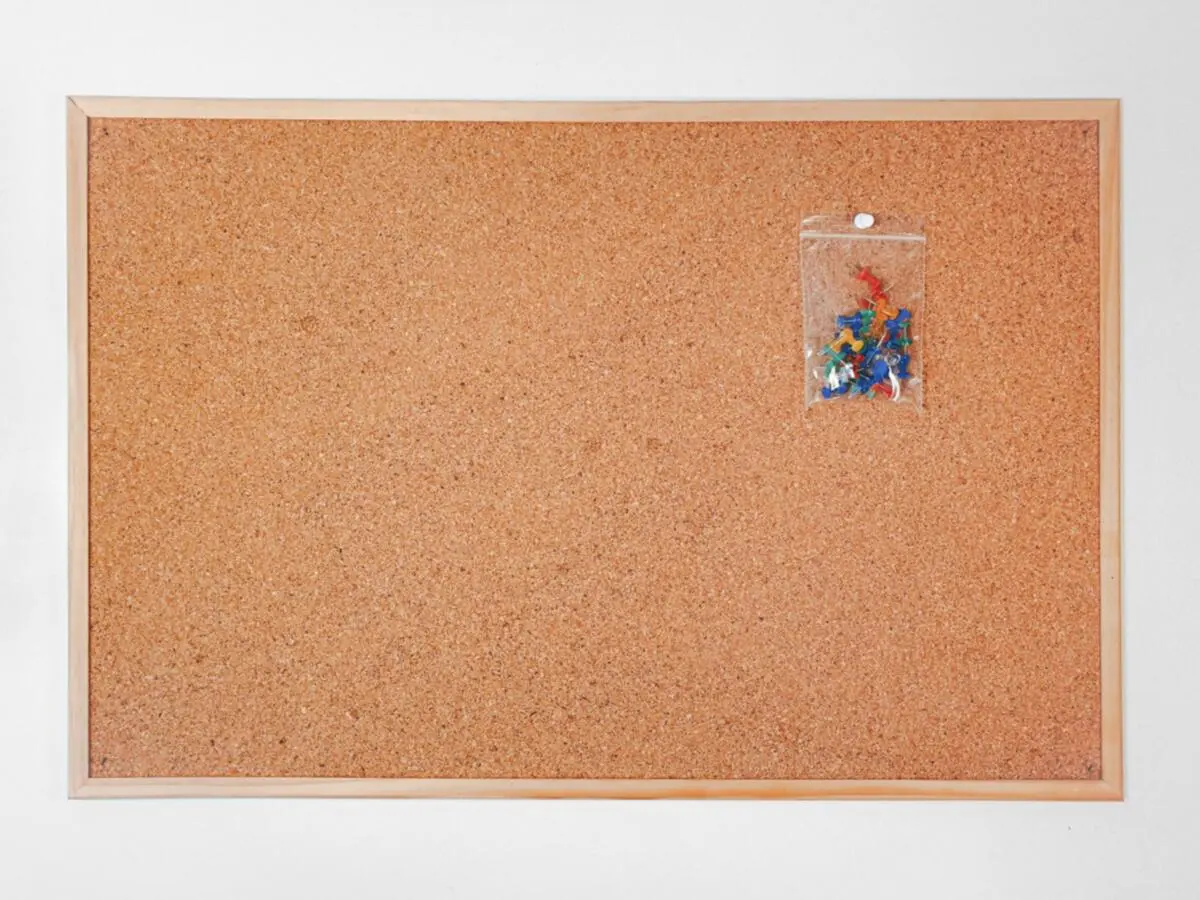
Give each resident a copy of their own a few days before the month begins, slipped under the door or handed out at a meal. For residents who read better up close, add a large print list of each day’s activities, so no one has to squint at a crowded square.
When plans change, print a fresh copy and take the old one down. Two different calendars on the same wall cause more confusion than a missing one.
Share the calendar with families
Families want to know what their loved one’s days look like. Email the calendar as a PDF before the month starts, and keep a few printed copies at the front desk for visitors to take home.
Point out the events families can join, such as the birthday party of the month or a Sunday sing-along. A family that knows Tuesday afternoon is the conversation circle may plan a visit around it, or call later to ask how it went.
Review what worked at the end of the month
The last week of the month is the time to look back, before you plan forward. Keep a simple note for each activity: how many came, who seemed to enjoy it and anything that got in the way.
Then ask three questions:
- What drew a crowd? Keep it, and think about offering it twice a week.
- What drew only a few? Try a new time or place before you drop it, because a small, happy group can be a success.
- What did residents ask for? Add at least one new idea to next month, and tell the residents who suggested it.
Common mistakes to avoid
A few habits make a calendar harder to use than it needs to be:
- Too much on one day. Six activities in one square means small type and a tired group. Spread them out.
- Empty weekends. Saturday and Sunday can feel long without anything planned. A simple card game or sing-along makes a difference.
- Clever names. A name that needs explaining is a name people skip. Say what it is.
- No times or places. Every entry needs both, or residents have to ask.
- Posting it late. A calendar that goes up on the first of the month misses the residents and families who plan ahead.
- Planning alone. A calendar built only from your own ideas misses what residents would really enjoy.
Your monthly planning checklist
The quickest way to put the month together is the free activity calendar builder. Type each regular activity once, such as “Monday: 2 pm Bingo”, use “Weekdays”, “First Monday” or “Last Friday” for the rest, and it lays out the whole month on one landscape page with an optional large print list. Nothing is filled in for you, and nothing you type leaves your device.
Before you print, run through this checklist:
- Residents asked for ideas through the suggestion box, short chats and the resident council.
- A weekly rhythm with something in the morning and the afternoon on most days.
- A mix of lively and quiet, big group and small, indoors and outdoors, and weekends covered.
- A few monthly highlights, such as the first-Monday meeting and the birthday party of the month.
- Light time left for visitors, plus outings with a departure time and a meeting place.
- Every entry written plainly, with its time, its name and its place.
- Copies posted, handed to residents and emailed to families a few days before the month begins.
- A note ready for the end-of-month review.
Frequently asked questions
How far ahead should you plan an activity calendar?
Start the draft for next month around the middle of the current one. That leaves time to book visitors and outings, gather supplies and post the finished calendar a few days before the month begins.
How many activities should be on the calendar each day?
Aim for something in the morning and something in the afternoon on most days, plus one quiet choice later in the day. A full calendar isn't the goal; a steady one that residents can count on is.
How do you find out which activities residents enjoy?
Ask them in more than one way. A suggestion box, short one-on-one chats and the resident council each reach different people, and the attendance at each activity tells you the rest.
How do you share the activity calendar with families?
Email the PDF to families before the month starts and keep printed copies at the front desk. Families can then plan visits around the activities their loved one enjoys most.
Save it for later
Pin it to a board so it's there when you need it.
Save to Pinterest(opens in a new tab)Keep reading
Activity Calendar Builder
Type your weekly and monthly activities once and print a full month on one page, with a large print list.